



The water line you lay only once
BIS APPROVED
Floking is a national player present in many states in India actively participating in tenders and schemes.
Here is a short 90s intro to our company.

OPVC CLASS 500
Sustainable Compatibility
-
OPVC pipes exhibit excellent chemical resistance, making them compatible with a wide range of fluids and substances. This compatibility ensures that the pipes can be used for various applications without the risk of chemical degradation or contamination, promoting safety and reliability.
-
OPVC pipes are compatible with existing water supply and drainage infrastructure. Their standardized dimensions and fittings allow for easy integration into established systems, facilitating retrofitting or expansion projects without the need for extensive modifications or replacements. This compatibility minimizes disruption and optimizes the use of existing resources.
-
OPVC pipes are made from polyvinyl chloride, a material known for its environmental compatibility. PVC is recyclable and can be repurposed into new products, reducing waste and minimizing its environmental impact.
-
OPVC pipes are manufactured without the inclusion of heavy metals such as lead, cadmium, mercury, or chromium. This makes them an environmentally friendly choice as heavy metals can be toxic and have adverse effects on ecosystems and human health.
-
At the end of their useful life, OPVC pipes can be recycled due to the absence of heavy metals and zero use of fillers. Recycling PVC helps to reduce waste generation and conserve resources by converting the used pipes into new products or materials.
Long Lasting Durability
-
OPVC pipes are highly durable and have a long lifespan. They can withstand harsh environmental conditions, resist corrosion, and remain intact for decades. This longevity reduces the need for frequent replacements, minimizing material consumption and waste generation.
-
OPVC pipes are resistant to corrosion caused by various factors, such as chemicals, moisture, and environmental elements. Unlike metal pipes that may corrode over time, OPVC pipes remain unaffected, ensuring long-term performance and reliability.
-
OPVC pipes are designed to withstand prolonged exposure to ultraviolet (UV) radiation from sunlight. They contain UV stabilizers that prevent the material from degrading, discoloring, or becoming brittle over time. This UV stability contributes to the pipes' longevity, especially in outdoor or exposed applications.
-
OPVC pipes have a smooth interior surface that offers several benefits. Firstly, it allows for efficient fluid flow with reduced friction, optimizing the system's hydraulic performance. Secondly, the smooth surface minimizes the accumulation of sediment, scale, or deposits, maintaining the pipes' flow capacity and preventing blockages.
-
OPVC pipes are designed to withstand high impact and pressure loads. They can handle heavy loads or external forces without cracking or deforming, ensuring structural integrity and longevity. This makes OPVC pipes suitable for various applications, including underground and above-ground installations.
Cost Effective Freedom
-
OPVC pipes have smooth internal surfaces, which contribute to efficient fluid flow with minimal frictional losses. This characteristic reduces the energy required to transport fluids through the pipes, resulting in energy savings over the system's lifetime.
-
It all begins with an idea. Maybe you want to launch a business. Maybe you want to turn a hobby into something more.
-
OPVC pipes are lightweight and easy to handle, making installation quicker and more cost-effective compared to heavier and more complex piping systems. The lightweight nature of OPVC pipes reduces the need for heavy machinery and equipment during installation, leading to lower labor and equipment costs.
-
The inherent durability and corrosion resistance of OPVC pipes contribute to their low maintenance requirements. Unlike some other pipe materials, OPVC pipes do not require regular maintenance activities such as internal coating, re-lining, or cathodic protection. This helps to minimize maintenance costs over the lifespan of the piping system.
-
OPVC pipes are highly durable and have a long lifespan. They are designed to withstand harsh conditions, resist corrosion, and maintain their structural integrity over time. This durability reduces the need for frequent replacements and repairs, resulting in significant cost savings in terms of materials, labor, and maintenance expenses.
The CLASS 500 Company
-
![Abstract digital illustration of a blue sphere on a rippling ripple pattern, representing a gravitational wave or surface disturbance.]()
Robust Value
Floking India OPVC pipes undergo a unique manufacturing process that results in superior mechanical properties compared to other piping materials. By examining specifications, it becomes clear that our pipes offer robust and reliable solutions for various applications in the water supply domain. Improved specifications not only ensure a longer service life but also provide operational efficiencies and cost savings in the long run.
-
![All Weather]()
All Weather
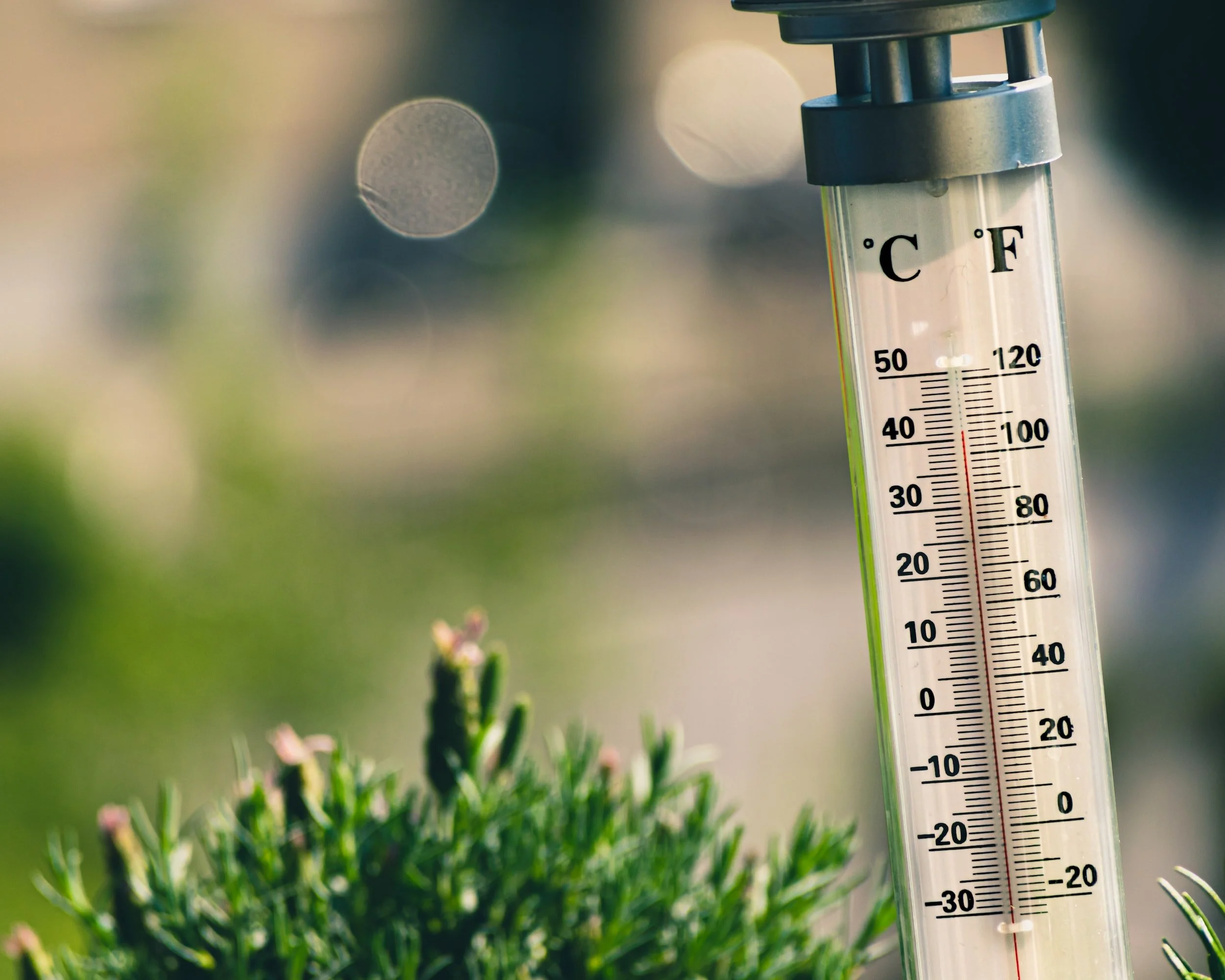
Floking India OPVC pipes maintain their integrity and performance even in direct sunlight, making them an all-weather solution. Their resilience reduces weather-induced wear and tear, ensuring longer life and fewer maintenance issues.
Ready for everything
Up to 50° C Sustained Water FlowTotally Weather Proof
Operating Range (-40°) C - 60° C -
![Sequence of moon phases with a heart shape on the left and the word 'LOVE' on the right, arranged with stars in the background.]()
50+ Years Life
Other materials degrade gradually, causing diminished performance over time, Floking India OPVC retains its structural integrity and hydraulic efficiency throughout its lifespan. As a result, not only lasting longer but also ensuring consistent, maximum performance from installation until the end of their operational lives.
-
![Close-up of a large metal gear and shaft assembly, part of heavy machinery or industrial equipment, in a dark setting.]()
Effortless Pumping
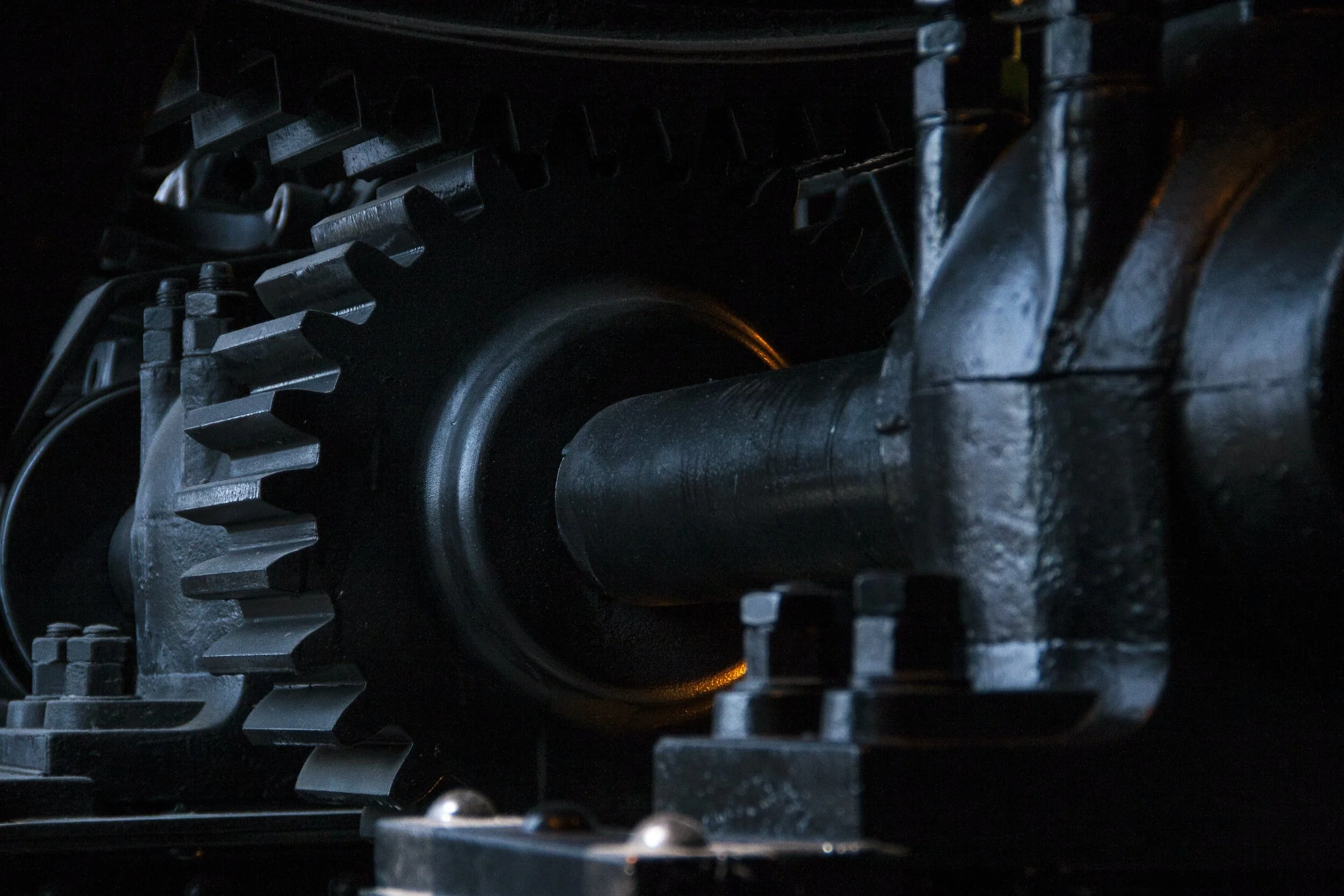
Floking India OPVC pipes have a higher internal diameter (I.D.), allowing for a greater volume of fluid flow. Also, their smooth inner wall minimizes frictional resistance, ensuring optimal flow rates. Together, these characteristics reduce the energy needed for pumping, leading to increased efficiency and reduced operational costs.
-
![Long exposure photo of a tunnel with light trails from a moving vehicle.]()
Blazing Fast Installation
Floking India OPVC pipes ensure blazing fast installation due to their lightweight nature and user-friendly design. Unlike heavier traditional materials, OPVC pipes are easier to handle, transport, and position. Their precision-made joints ensure a secure and rapid connection, eliminating prolonged setup times.



Upgrade your water supply
Oriented PVC, or OPVC, presents a significant upgrade to a buyer's water supply due to its superior durability and performance characteristics. Unlike traditional materials such as concrete, steel, ductile iron, or regular unplasticized PVC (UPVC), OPVC is extremely robust and highly resistant to various environmental conditions. It's impervious to rust, corrosion, and most chemicals. This means that an OPVC water supply system is exceptionally long-lasting, and the need for frequent repairs or replacement is drastically reduced, leading to substantial savings in the long term.


FAQ
Q: What is OPVC (PVC-O) and how is it different from uPVC and HDPE?
A: OPVC is oriented PVC with higher hoop strength and toughness. Versus uPVC it delivers higher strength at lower wall thickness, lighter weight, and smoother bore. Versus HDPE it uses rubber-ring joints (RRJ) for fast laying on straight runs and offers very low headloss with corrosion-free service.
Q: Where should I use OPVC vs HDPE vs ductile iron?
A: Use OPVC for municipal distribution/trunk mains, hill-town rising mains, and straight or gently curving alignments. HDPE shines for complex geometries and river crossings needing butt/electrofusion. DI is suitable where specific mechanical interfaces/external loads require it. Always select by pressure envelope, transients, fittings, soil, and install method.
Q: Which pressure classes are available and when do I choose PN 12.5, PN 16 or PN 25?
A: PN 12.5: low-head distribution and gentle operations. PN 16: default for mixed terrain and daily pump cycling when steady + surge fits PN16. PN 25: high-head rising mains and mission-critical feeders where validated transients exceed PN16 despite practical surge control.
Q: How do I account for surge/transients when selecting PN class?
A: Select PN on steady-state pressure plus credible surge from pump trips/rapid valve events. Add soft starts/relief before overspecifying. Choose PN25 only when validated spikes exceed PN16 with feasible mitigation.
Q: Does OPVC need temperature derating in hot climates?
A: Yes. PNs are referenced at ~23 °C. Apply the manufacturer’s derating factors at higher service temperatures and verify the maximum recommended service temperature for PVC-O.
Q: For the same nominal size, does OPVC give lower headloss than DI/uPVC?
A: Typically yes. OPVC’s smooth bore and efficient wall thickness often give a larger internal diameter at the same nominal size, reducing friction losses and pump energy over life.
Q: What jointing system is used?
A: Rubber-ring (RRJ) bell-and-spigot joints with approved lubricant and a proper chamfer on the spigot.
Q: What are the warranty conditions and what can void the warranty?
A: Warranty ties to SOP compliance, correct fittings/restraints, and successful pressure testing with records. Voids include non-approved lube, missing chamfer, dirty sockets, absent thrust blocks, and undocumented testing.
Q: What documentation is supplied with each batch?
A: Certificates of conformity/test results, batch/lot IDs (QR), and traceability details; project-specific inspection/test plans available on request.
Q: What is the environmental impact and recyclability of OPVC?
A: Lighter weight reduces transport fuel/handling energy; corrosion-free service helps maintain hydraulic efficiency. PVC-O is recyclable—follow local regulations and manufacturer guidance.
Q: Which Indian programs/specs does OPVC align with?
A: Municipal water supply programs and tender specs that reference applicable Indian/ISO standards for PVC-O; documentation and third-party certificates can be provided for compliance.
Q: Who can I contact for PN selection or surge quick checks?
A: Share steady head, pump schedule, and key profile points; we’ll run a quick PN/surge check and suggest PN 12.5/16/25 with any required controls.
Q: What are the most common causes of joint leakage and how do I avoid them?
A: Missing chamfer, dirty sockets, unapproved lube, misalignment, and missing thrust restraints at direction changes. Use a 12-step joint QC: chamfer gauge, clean sockets, approved lube, alignment, and thrust design sign-off.
Q: Can OPVC be laid on curves—what’s the minimum bend radius?
A: Gentle long-radius sweeps are allowed in straight pipe within published limits; never bend at the bell. For tighter turns, use fittings and provide thrust blocks or restrained joints.
Q: What fittings and restraints are required?
A: Compatible RRJ fittings. Provide thrust blocks or restrained joints at tees, bends, reducers, and valves sized to hydraulic unbalanced forces and soil bearing.
Q: Is OPVC suitable for river crossings and hill-town rising mains?
A: Yes, when designed correctly. PN25 is often used for high static head and constrained surge control. For crossings: restrained joints, proper bedding, scour protection, and profile vents; validate with transient analysis.
Q: What standards and certifications apply?
A: Manufactured to applicable PVC-O product standards (e.g., IS 16647/ISO 16422 or equivalent). Third-party type tests and routine factory tests available with batch traceability and certificates.
Q: What is the recommended hydrostatic pressure test procedure?
A: Staged pressurization with air removal, stabilization holds, documented acceptance criteria; log ambient and water temperature and record pressure vs time per project spec/recognized standards.
Q: Is OPVC safe for potable water?
A: Yes—when manufactured and installed to applicable standards. Provide potable-water compliance and batch test certificates.
Q: What diameters and lead times are typical?
A: Common ranges ~90–1000 mm with PN 12.5/16/25. Lead times depend on size/quantity; dispatch windows are confirmed at order with batch QR/lot traceability.
Q: How should OPVC be stored and handled before installation?
A: Store on level timbers, protect bells/gaskets, use wide slings for lifting, cover for prolonged sun, keep sockets clean, and follow FIFO.
Q: How do I repair a damaged section or add a new tee/valve later?
A: Isolate/depressurize, cut out the section, use approved couplers/fittings with correct restraint and jointing SOP, pressure test the repaired section, update asset logs with batch/lot ID.
Q: What savings can I expect vs DI or HDPE on straight runs?
A: Projects commonly report lower installed cost per km and faster laying with OPVC RRJ vs DI coatings/welding and HDPE fusion on straight runs. Smoother bores can reduce pump energy over life. Actual savings depend on terrain, crews, and design.
Q: Does OPVC reduce NRW/leakage?
A: Yes—when installation quality is enforced. Proper chamfer, clean sockets, approved lube, alignment, and correct restraint significantly reduce joint leaks.